
Panel Interview Guide: Tips & Strategies
Last updated August 29, 2026
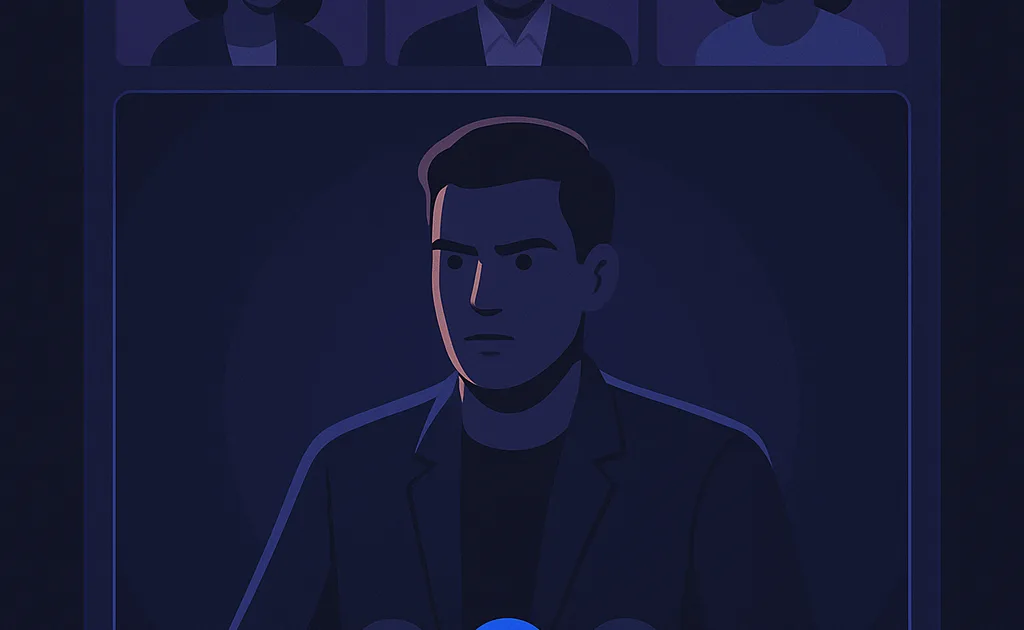
Short answer: In a panel interview, answer the person who asked and then include the whole panel with your eye contact, since everyone scores you. Learn each panelist's name and role beforehand, keep answers structured and short under rapid-fire questions, and tailor examples to the different interests around the table.
A panel interview — three, four, sometimes six people across the table or the video grid — feels like being cross-examined. It's actually an efficiency play by the company, and it comes with a hidden gift: multiple decision-makers are watching you shine at once. The trick is learning to address the room without losing the individual.
The key idea: answer the person, include the panel. Start each answer with the questioner, then deliberately sweep your eye contact around the room — everyone in that panel scores you, including the quiet ones.
The mechanics of working a panel
- Learn names and roles at the start. When introductions happen, jot a quick seating map: "left — Maya, eng manager; right — Tom, PM." Using someone's name mid-answer ("building on Maya's question…") is a small move with outsized impact.
- Answer the asker, then distribute. First sentence to the questioner, middle of the answer to the room, closing line back to the asker. This rhythm feels natural within a minute of practice.
- Watch the quiet panelist. There's usually one. They might be the actual decision-maker observing dynamics. A quick "does that address what you were looking for?" tossed their way once can be quietly powerful.
- Pace yourself for the long haul. Panels run long and rotate questioners. Don't burn your best energy on the first two questions.
Handling rapid-fire and overlap
Panels love follow-ups from different directions: you'll finish a technical answer and the PM immediately asks about stakeholder impact. This isn't an ambush — it's the format. Bridge gracefully: "That's a great follow-up — the short version is X, and I'm happy to go deeper." If two people speak at once, smile, pick one, and say "I'll come back to your question next, Tom" — then actually do it.
On video, panels add one wrinkle: you can't see everyone when the view switches to active speaker. Pin gallery view if the platform allows, and distribute attention verbally when eye contact can't travel — "for the engineers on the call, the trade-off was…" works when a glance can't. Also expect more silence than in person; video panels pause awkwardly while deciding who asks next. Don't rush to fill those gaps. A comfortable beat, then "happy to expand on any part of that," keeps you composed while they sort themselves out — and composure in dead air is something every panelist notices and nobody mentions.
What to avoid
- Locking onto the friendliest face and ignoring everyone else. It's the most common panel failure.
- Giving longer answers than you would one-on-one. Panel time is scarce; tighten your STAR stories.
- Skipping anyone when sending thank-yous afterwards — the thank-you templates cover the multi-person variant.
FAQ
Should I shake hands / greet everyone individually? In person, yes, briefly. On video, a warm greeting to the whole grid plus a small wave works fine.
What if one panelist is hostile or skeptical? Stay warm and factual with them specifically — everyone else in the room is watching how you handle it, and they're scoring that too. Rapport under pressure is the whole test; the rapport guide has more on this.
Put this into practice
Continue with the Aissence workflow this guide supports.