Free AI Mock Interview: What You Get and How to Use It
By Kieron
Last updated October 4, 2026
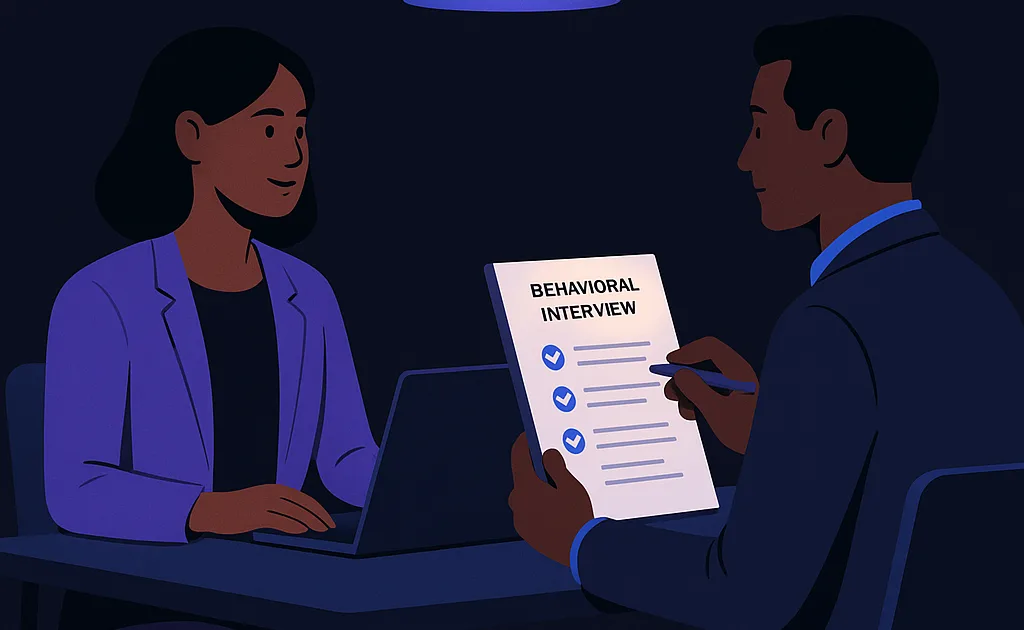
You can practice interviews with AI for free, and for most people the free options are enough. The catch is that "free" means different things: some tools give you one session, some give you a daily allowance, and some let you try the practice but charge for the feedback. Here is how to tell what you are actually getting, and a way to squeeze real value out of a free tier.
What to check before you start
Open any free mock interview tool and look for four things before you invest an hour:
- Does it need a credit card? If a free plan asks for one up front, assume you will be charged after a trial.
- How much is free? A daily allowance is far more useful than a one-time session, because interview skill comes from repetition.
- Is the feedback included? Some tools let you practice free and lock the scores and notes behind a paywall, which defeats the purpose.
- Can you use your own resume and a real job description? Generic questions are the least useful kind.
What Aissence's free plan includes
As of October 2026, the free plan includes one mock interview a day and one live interview copilot session a week, with no card required. You can also upload your resume on the homepage and see the questions it generates before creating an account. The paid Unlimited plan is $19 a month and removes the limits. Current details are always on the pricing page, which is the source of truth if anything here has changed.
We are not the only free option, and for some situations another tool is a better fit. Coding-only practice with a human partner, for example, is a different experience from a resume-based behavioral mock. Our honest comparison of free tools covers the trade-offs.
How to get the most from one free session a day
If you only get one session a day, make each one count:
- Day 1: a full run with your real resume and target job description. Do not stop to fix anything.
- Day 2: repeat only the questions that scored lowest. Same questions, better answers.
- Day 3: a new run, with a different focus (for example, only follow-ups on your most recent job).
- Day 4: repeat the weakest again.
Alternating "new" and "repeat" days is a better use of a free allowance than doing fresh questions every day. The point is to hear your answers get better.
What free practice cannot replace
No AI tool replaces a real person for the last stretch before a high-stakes interview. Ask a friend or a colleague to ask you three questions, unscripted, and tell you where they got lost. It is free, and it catches things a tool misses, like the sentence you say that sounds arrogant but you meant as confident.
Frequently asked questions
Is there a free AI mock interview with no signup?
Some tools let you try a preview without an account. Aissence lets you upload a resume on the homepage and see the interview questions it would ask, without signing up. A full scored session needs a free account.
Are free AI mock interviews good enough?
For most job seekers, yes, as long as you can use your own resume, answer by voice, and see feedback. Limits matter less than using the sessions deliberately.
What is the catch with free interview tools?
Usually one of three: a card required up front, feedback hidden behind payment, or a session limit so low you cannot practice repeatedly. Check those before you start.
Start practicing
Upload your resume and try a free mock interview. If you want the full process, the complete AI mock interview guide has a 7-day plan and a scoring rubric.
Put this into practice
Continue with the Aissence workflow this guide supports.