Startup Interview Tips & Preparation
551 words · Reviewed for accuracy
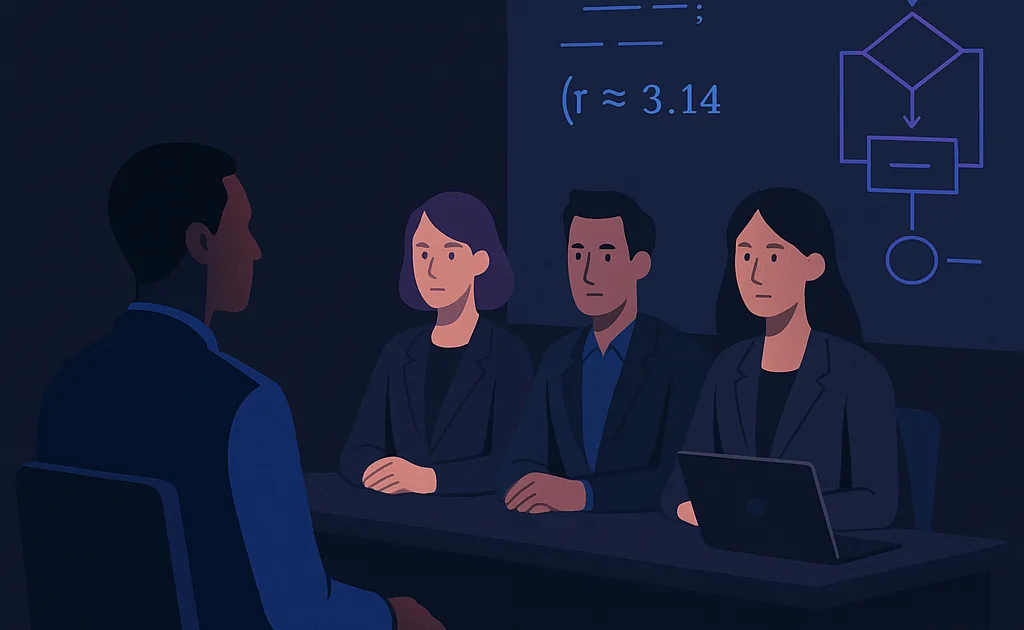
Startup interviews play by different rules — and the candidates who bomb them are usually the ones who prepared for a corporate process. Expect fewer rounds, weirder questions, direct access to founders, and a heavy emphasis on one question above all: will this person figure things out when nobody tells them what to do?
The key idea: startups don't hire resumes; they hire slope. Your trajectory, resourcefulness, and appetite for ambiguity matter more than your tenure — and the interview is designed to measure exactly that.
What startups actually test
- Ambiguity tolerance. "Here's a messy problem we have right now — walk me through how you'd approach it." There is no rubric. They're watching how you structure chaos, so narrate your thinking relentlessly.
- Scrappiness. Expect "tell me about a time you built something with no budget, no team, and no permission." Have that story ready and specific.
- Mission pull. Small teams can't carry passengers. "Why this problem?" needs a real answer — founders can smell mercenary enthusiasm instantly.
- Range. You'll likely interview with people outside your function. Be ready to explain your work to a non-specialist without jargon.
The questions you must ask them
Interviewing at a startup is genuinely two-way due diligence — use it:
- How much runway does the company have, and what milestones extend it?
- What does success look like for this role in the first months?
- How are decisions made when founders disagree?
- What happened to the last person in this seat?
Asking these isn't rude; at a startup, it's a seniority signal. Their answers — and their comfort with the questions — tell you more than any careers page.
One more differentiator costs an evening and almost nobody does it: use the product before the interview. Really use it — not the landing page, the product. Bring two observations: one thing that impressed you and one friction point you'd want to dig into, framed with curiosity rather than criticism. At a small company the product is the company, so fluency reads as genuine interest — and it flips the dynamic in your favour. You're suddenly a person with firsthand experience of their actual problem, evaluating whether it's the right problem for you. That's precisely the slope signal founders are scanning for.
What to avoid
- Big-company vocabulary: "process," "stakeholder sign-off," "my scope." Translate everything into ownership language.
- Asking only about perks and stability. It reads as mis-fit before you've said anything else.
- Ignoring the equity component entirely. Understand vesting, strike price basics, and dilution before the offer stage — the offer negotiation guide covers the levers to examine.
FAQ
How is a founder interview different? Faster, more personal, more gut-driven. Founders hire for belief and energy as much as skill — bring a point of view about their product, delivered respectfully.
Is a startup riskier for my career? Different risk, not more: startups risk stability; corporates can risk stagnation. The startup vs corporate comparison walks through the trade-offs honestly.
Final thought: the best startup interviews feel like working sessions, because that's what they are. If you leave energised by the problems you discussed, that tells you something. If you leave drained by the chaos, that tells you something too. Listen to it — mutual evaluation matters more at a ten-person company than anywhere else in your career.