
AI Interview Ethics: A Balanced Perspective for 2026
621 words · Reviewed for accuracy
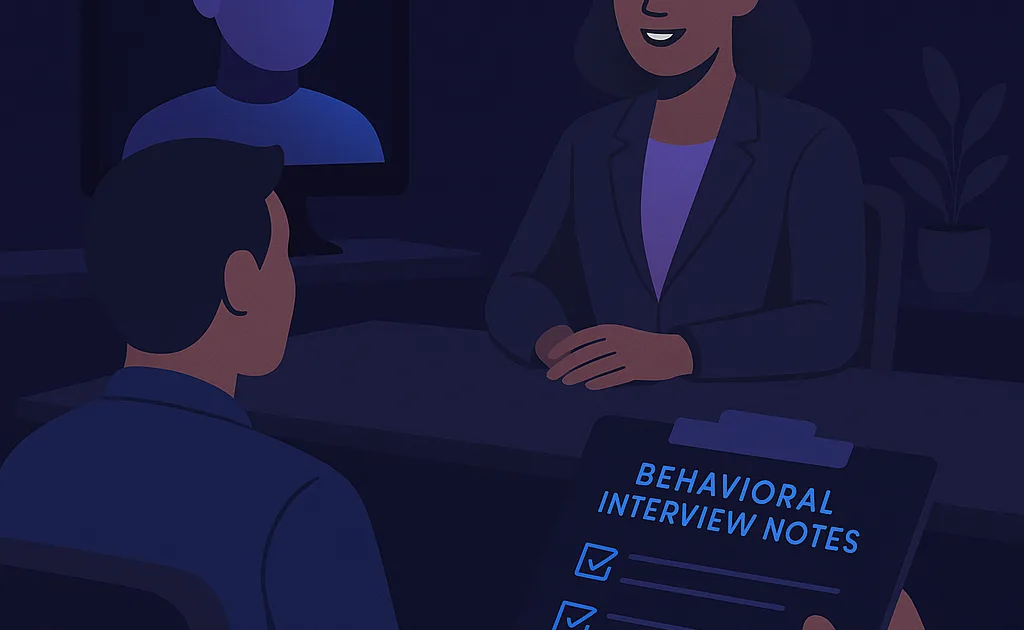
The ethics of AI in interviews come down to one distinction: using AI to become a stronger candidate is legitimate by any reasonable standard; using AI to appear to be a stronger candidate than you are, in a live assessment, is misrepresentation. Everything else — accessibility, policy, fairness — hangs off that spine. Let's work through it honestly, including the uncomfortable parts.
The principle we'd defend publicly: AI assistance is ethical when it builds real capability or when its use is disclosed and permitted. It's unethical when it's concealed to deceive an assessor. Preparation versus impersonation — that's the whole line.
The case that AI interview tools are fair
Interview skill has always been unevenly distributed. People with well-connected families, expensive coaches, or insider friends have rehearsed for generations; everyone else walked in cold. Practice tools that are cheap or free level that field. There's also an accessibility dimension that doesn't get enough airtime: candidates with hearing differences, processing differences, non-native fluency, or interview anxiety get real, humane support from captioning and rehearsal tools — often through formal, disclosed accommodations that employers grant routinely. Making practice accessible is the most defensible thing this technology does.
The case that deserves a hard look
Undisclosed live assistance isn't a grey area dressed up as one — it fails the basic test of "would I say this openly?" It wastes the employer's time, it's unfair to candidates who prepared honestly, and when discovered it costs offers and reputations. There's a subtler failure too: it robs you. An offer won on borrowed answers lands you in a job you may not be able to do, which is a miserable outcome wearing a victory costume.
A practical decision framework
- Disclosure test. Could I tell the interviewer I'm doing this? If yes, proceed. If no, stop.
- Policy test. What do the written rules say? Proctored assessments state it plainly. When it's unclear, ask the recruiter — asking is normal and safe.
- Capability test. After the tool is gone, can I still do the thing? Preparation that survives removal is learning; assistance that doesn't is a costume.
- Reciprocity test. Would I hire someone who did this to me? The employer is a counterparty, not an obstacle.
Notice what the framework does with the everyday cases. AI-polishing your own resume? Passes all four — it's disclosed by convention, permitted, and the experience underneath is still yours. Rehearsing with an AI interviewer nightly? The same. Feeding a take-home through a model when the instructions invite AI use? Fine, openly. The framework isn't a hall monitor; it's a way to stop relitigating every new scenario from scratch, because the questions stay stable even as the tools change.
Norms are still settling, and employers increasingly write their position down — some assessments now state an AI policy in the instructions, which is genuinely helpful. When a company spells out the rules, the ethical question is already answered; your only job is to read carefully and comply. Expect more of this, not less, and treat each process's stated policy as the final word.
Where we stand
We build practice tools, and we've designed them around the defensible uses — rehearsal, feedback, accessibility — which you can read about on our ethics page. For the live-interview specifics, see responsible live use, and for the practical reality of getting caught, the detection explainer.
FAQ
Is using AI to prepare for an interview cheating? No. Preparation — mock interviews, feedback, story-building — is what candidates with coaches have always done. The tool just makes it accessible.
What about accessibility needs in a live interview? Disclose and request accommodation before the interview. Employers handle these requests constantly, and disclosed support is legitimate support.
Put this into practice
Continue with the Aissence workflow this guide supports.